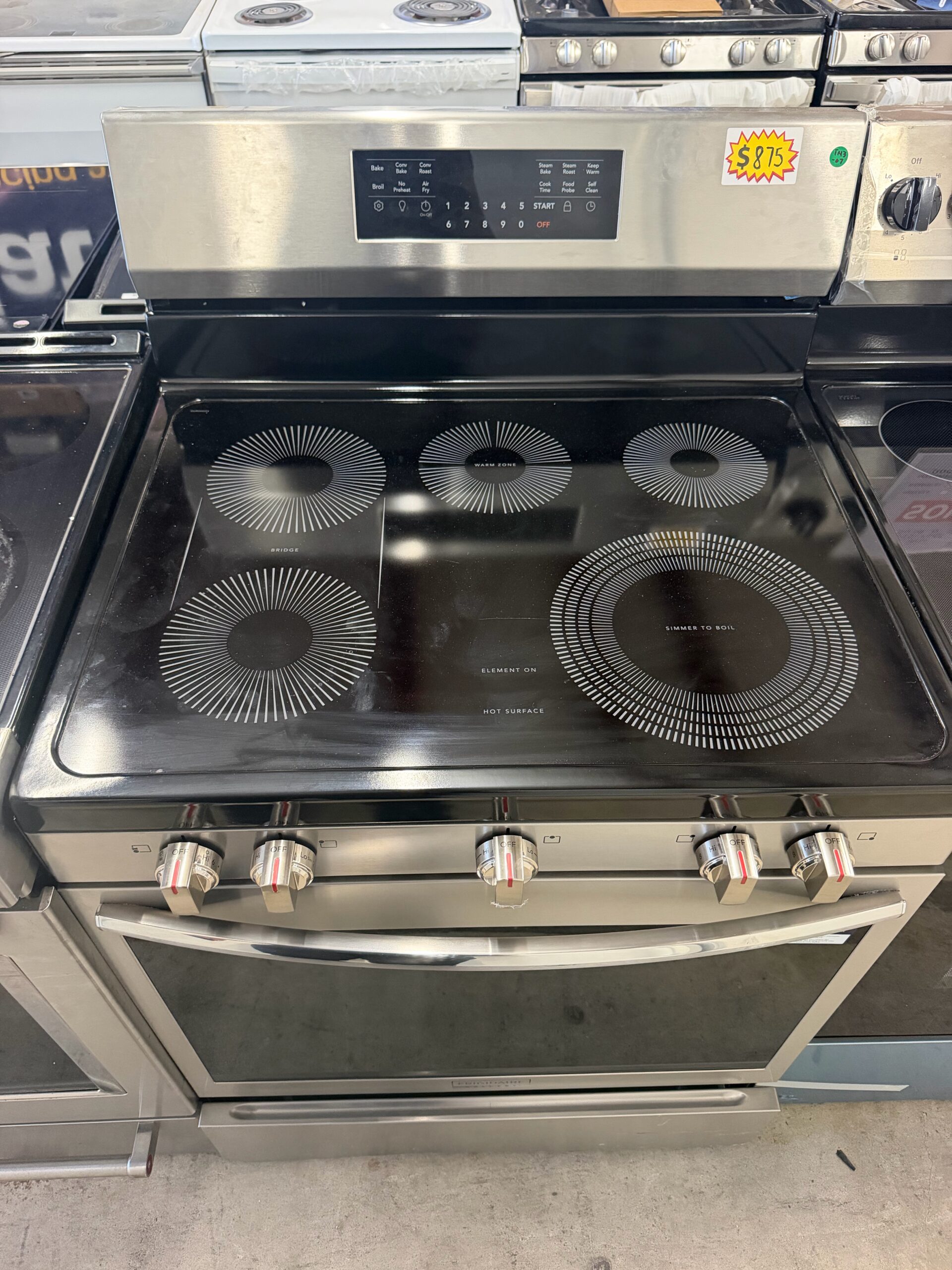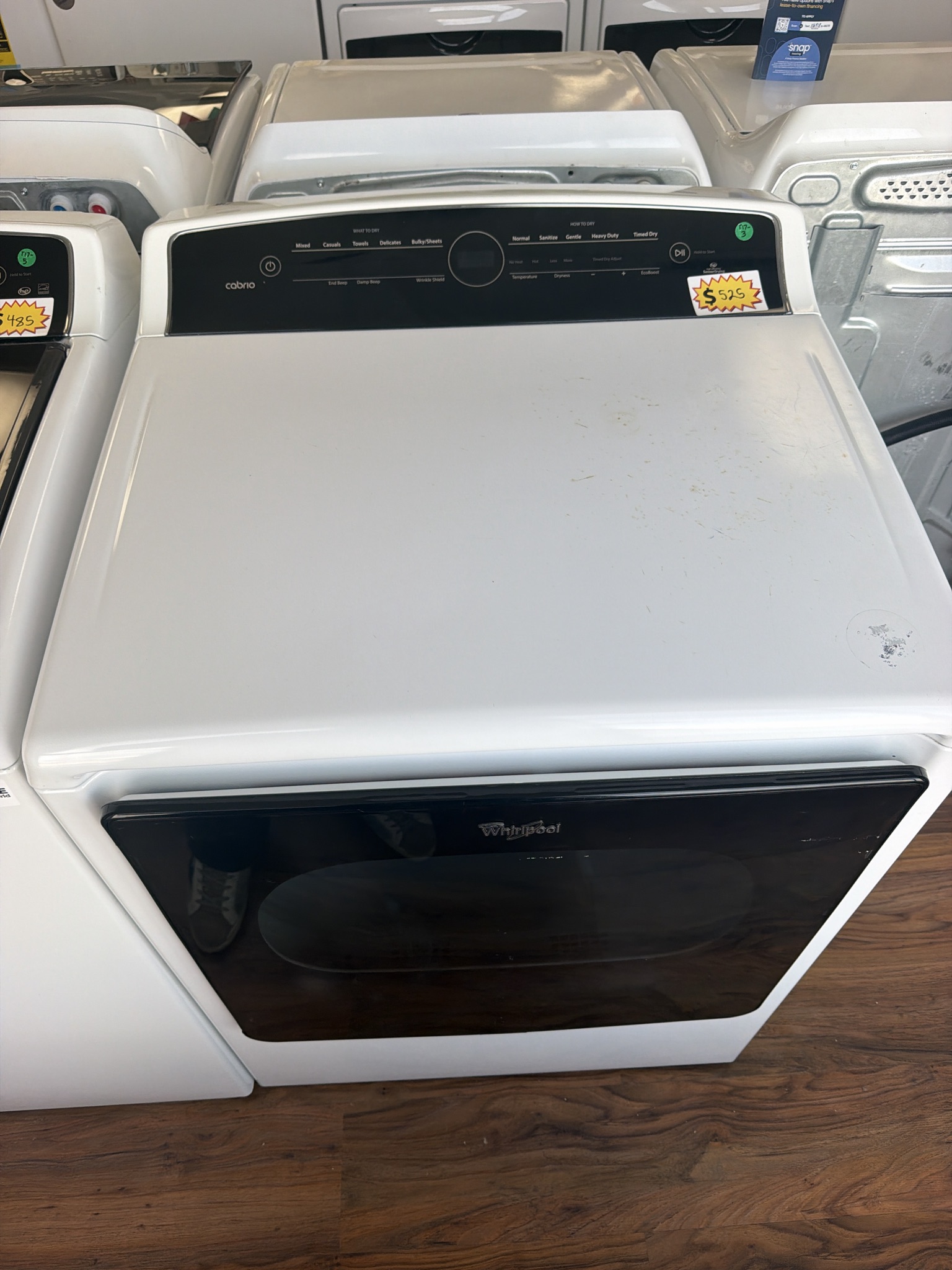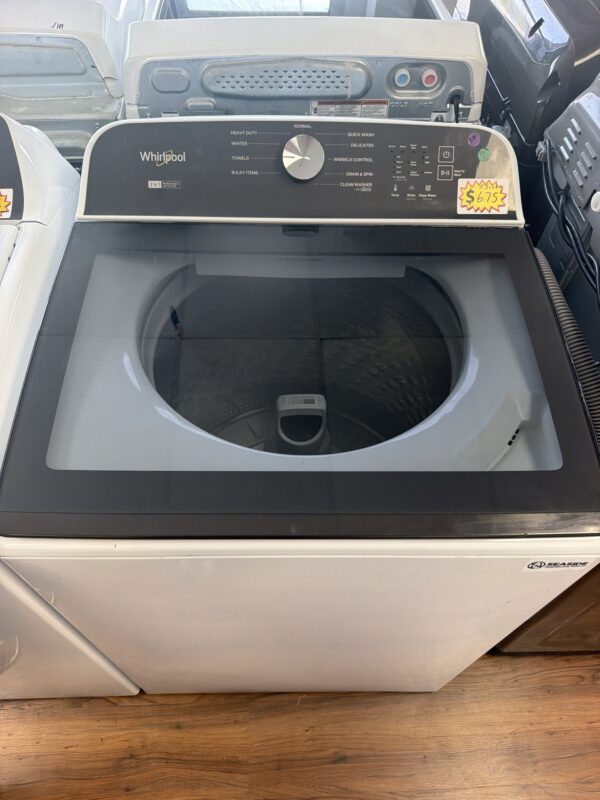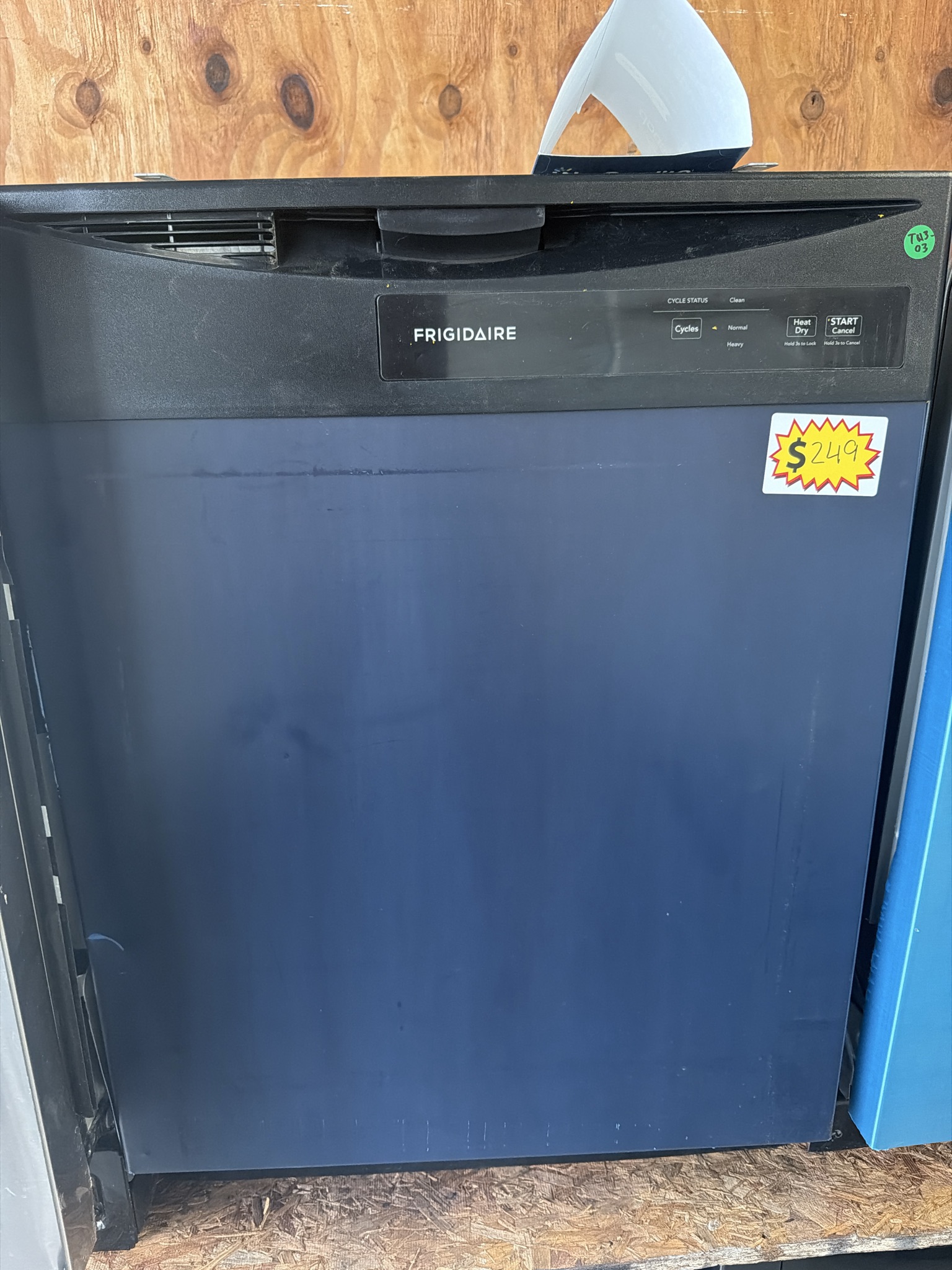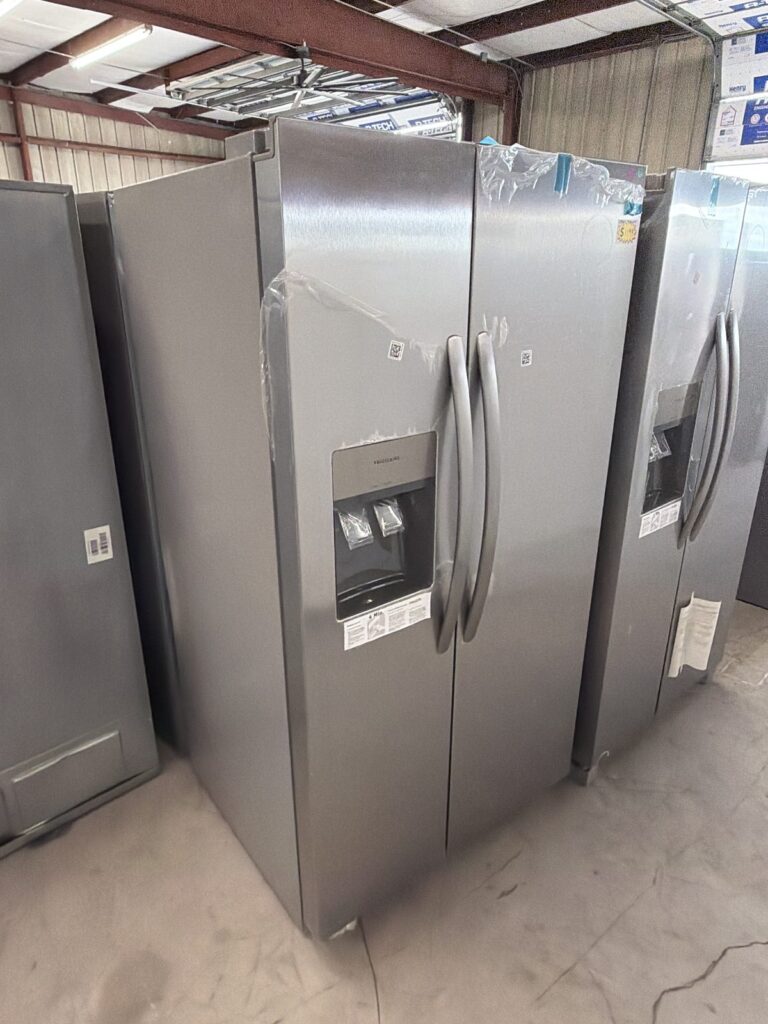
A scratch and dent appliance is a new or like-new machine with cosmetic damage. Nine times out of ten, the damage happened somewhere between the factory and a big-box sales floor: a forklift kiss on a corner, a dent from a delivery truck, a floor model that picked up a scuff. The motor does not know the door has a dent. The machine works the same, but the store cannot sell it at full price next to a perfect one, so the discount is real. At Seaside Appliance World, that discount runs 40 to 70 percent off retail.
That is the good news. The catch is that cosmetic damage is a category, not a guarantee. Two fridges can both be called scratch and dent while one is a genuine bargain and the other is a problem somebody is trying to hand to you. Here is how to tell the difference before you pay.
Where the damage comes from
Most scratch and dent units come from four places: floor models that sat in a showroom, freight damage in shipping, customer returns that were never really used, and delivery dings on the way to someone’s home. All four are cosmetic stories. What you are checking for is the fifth story, a unit that was returned because something did not work right. The checklist below is how you separate them.
The checklist
1. See it plugged in and running. A refrigerator should be cold. A washer should run a cycle. A dryer should heat. Any honest seller will power a unit up for you without being asked twice. If a seller will not plug it in, walk away, no matter how good the price looks.
2. Look at where the dent lives. A dent on the side of a washer disappears forever the day it slides in next to its dryer. A dent on the front door of a fridge is one you will look at every morning. Both are fine buys, but they should not cost the same, and the front-facing one should come with a bigger discount.
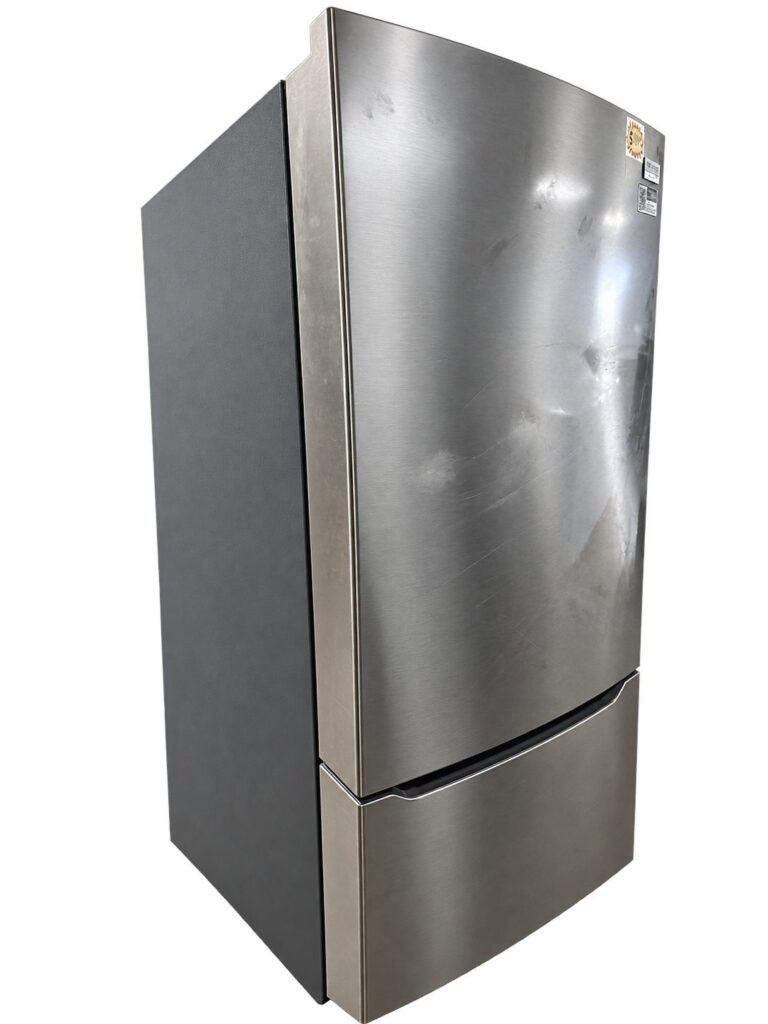
3. Check the doors and seals. Open and close every door. Refrigerator doors should close tight with no gaps in the gasket, and the gasket itself should not be torn or crushed. A fridge that cannot seal cannot hold temperature, and that stops being cosmetic.
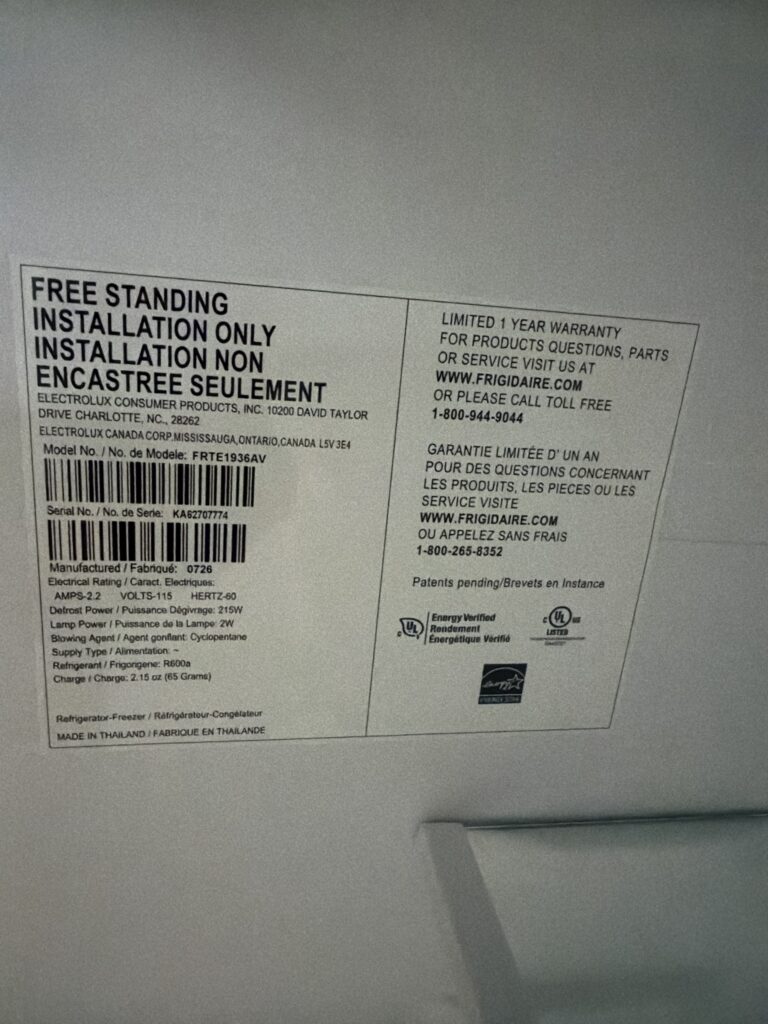
4. Photograph the model and serial tag. It takes ten seconds and it is the tag you will need for parts, manuals, and warranty questions for the life of the machine. Get it while the unit is in front of you, not after it is installed against a wall.
5. Ask what comes with it. Shelves, racks, ice makers, hoses, and power cords are not always in the box on an open-box unit. None of it is expensive to add when you buy, but it is an annoying surprise to discover at install time.
When to walk away
Cosmetic is a bargain. Functional is not, at any price. Pass on a unit with cooling problems, a control board that throws error codes, damaged door hinges, or a washer that will not spin through a full cycle while you watch. Those are repair bills wearing a discount costume. At Seaside, units are tested and graded before they go on the floor, and the grade is the starting point of the conversation, not a surprise at the register.
The bottom line
Scratch and dent is the smartest way to buy an appliance if you check the right things: see it run, judge the dent by where it sits, check the seals, tag the model number, and ask what comes in the box. Do that, and you get a machine that works like new for a price that is nowhere near new.
Want to see what these checks look like on real units? Browse actual scratch and dent inventory in Refrigerators and Washers, dents, tags, and all.